Wellness
The Ultimate Biohack: Reclaiming Your Health Through Masterful Sleep and Circadian Rhythm
2026-04-17 · David Wong
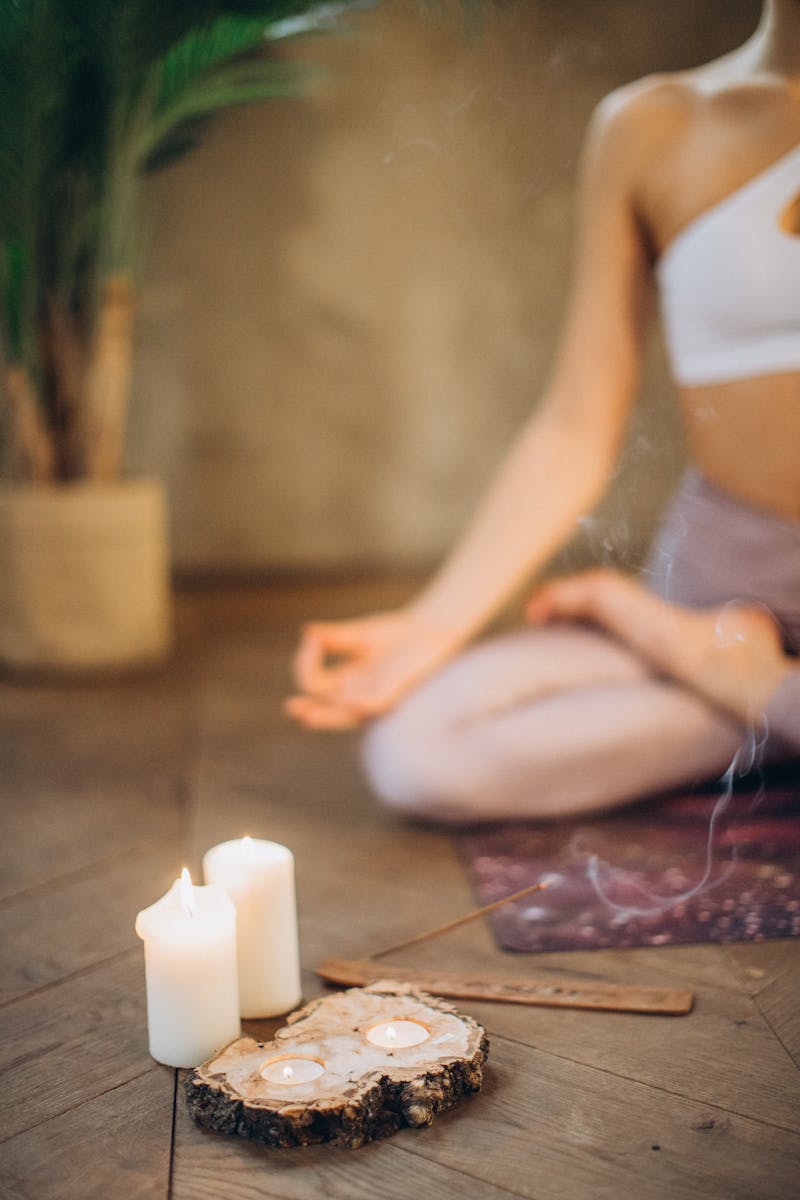
The Ultimate Biohack: Reclaiming Your Health Through Masterful Sleep and Circadian Rhythm
Greetings, fellow biohackers! David Wong here, your guide from Hong Kong's vibrant digital health scene. My mission is to empower you to optimize your health, and today, we're diving into the often-underestimated but profoundly powerful realm of sleep and circadian rhythm. In our relentless 24/7 world, especially here in dynamic Hong Kong, sleep is often the first thing sacrificed. But what if I told you that mastering your sleep isn't just about feeling less tired – it's the foundational biohack for peak performance, robust health, and a resilient mind?
The Unseen Architect: Understanding Your Circadian Rhythm
At the heart of optimal sleep lies your circadian rhythm – the intrinsic, 24-hour cycle that governs virtually every physiological process in your body. It's more than just a sleep-wake cycle; it’s a master orchestrator of hormone release, metabolism, body temperature, cognitive function, and even mood. This internal clock is primarily regulated by the suprachiasmatic nucleus (SCN) in your brain, often referred to as your body’s "master clock."
The SCN, though self-sustaining, is constantly calibrated by external cues called "zeitgebers" (German for "time-givers"). Light is the most powerful zeitgeber, signalling to your body whether it's day or night and influencing the production of melatonin, your sleep hormone. But food timing, exercise, and social interactions also play crucial roles. Disrupting this delicate rhythm can throw your entire system out of balance, leading to far-reaching health consequences. In fact, the profound importance of circadian rhythm was recognized with the 2017 Nobel Prize in Physiology or Medicine awarded to Jeffrey C. Hall, Michael Rosbash, and Michael W. Young for their discoveries of molecular mechanisms controlling the circadian rhythm.
The Modern Sleep Crisis: What We're Up Against
Despite its critical importance, sleep has become a global health crisis. The Centers for Disease Control and Prevention (CDC) reports that approximately one in three adults in the U.S. do not get enough sleep (defined as less than 7 hours per night). Similar statistics are echoed across developed nations, and I see the stark reality of sleep deprivation daily in Hong Kong's demanding work culture.
Our modern lifestyle is an onslaught of circadian disruptors:
- Artificial Light Exposure: Especially blue light from screens late at night, which suppresses melatonin production and tricks our brains into thinking it's still daytime.
- Irregular Schedules: Shift work, late nights, and inconsistent bedtimes confuse the SCN.
- Chronic Stress: Perpetually elevated cortisol levels interfere with sleep architecture.
- Poor Diet and Timing: Heavy meals close to bedtime, excessive caffeine, and alcohol consumption disrupt sleep quality.
The consequences extend far beyond feeling groggy. Chronic sleep deprivation and circadian misalignment are linked to an increased risk of:
- Metabolic Disorders: Type 2 diabetes and obesity, as sleep disruption impairs glucose metabolism and increases appetite-stimulating hormones. A study published in Nature Communications (2020) highlighted how even one night of insufficient sleep can impair insulin sensitivity.
- Cardiovascular Disease: Hypertension and heart disease, with research in the European Heart Journal (2019) linking short sleep duration to higher cardiovascular mortality.
- Impaired Cognitive Function: Reduced focus, memory, decision-making, and creativity.
- Mood Disorders: Increased susceptibility to anxiety and depression.
- Weakened Immune System: Making you more vulnerable to infections.
Biohacking Your Bedtime: Actionable Strategies for Sleep Optimization
As a biohacker, my approach is to understand these physiological mechanisms and then implement targeted, science-backed strategies to optimize them. Here’s your toolkit for reclaiming masterful sleep:
1. Light Management: Your Most Powerful Zeitgeber
- Morning Light Exposure: Within 30-60 minutes of waking, expose yourself to bright natural light for 10-30 minutes. Step outside, open curtains, or use a therapeutic light box. This signals to your SCN that the day has begun, setting your circadian clock correctly and boosting morning cortisol naturally.
- Evening Light Restriction: As the sun sets, dim your lights. Use warm, amber-toned bulbs. Crucially, minimize exposure to blue light from screens (phones, tablets, computers, TVs) at least 2-3 hours before bed. If unavoidable, use blue light filtering apps or wear amber-tinted blue-blocking glasses. Research from Harvard Health has consistently shown blue light's detrimental effects on melatonin production.
2. Optimize Your Sleep Environment
- Darkness is Key: Your bedroom should be as dark as possible. Invest in blackout curtains or blinds. Even small amounts of light can disrupt melatonin production.
- Cool and Comfortable: The ideal sleep temperature for most people is between 15-19°C (60-67°F). A slightly cooler environment helps initiate and maintain sleep.
- Quiet and Calm: Eliminate noise disruptions. Earplugs, white noise machines, or even a fan can help mask ambient sounds.
3. Consistency and Routine
- Regular Sleep Schedule: Go to bed and wake up at roughly the same time every day, even on weekends. This is perhaps the single most important habit for solidifying your circadian rhythm. Studies consistently show that irregular sleep patterns negatively impact metabolic health and cognitive function, regardless of total sleep duration.
- Wind-Down Routine: Create a relaxing ritual 60-90 minutes before bed. This could include reading a physical book, taking a warm bath or shower (which aids in body temperature drop afterwards), gentle stretching, meditation, or listening to calming music. Avoid mentally stimulating activities like work, intense conversations, or thrilling entertainment.
4. Nutrition, Exercise, and Supplementation
- Smart Eating: Finish your last heavy meal at least 3-4 hours before bedtime. This gives your digestive system time to wind down. Avoid high-sugar foods close to bed.
- Caffeine and Alcohol Awareness: Cut off caffeine intake by early afternoon (e.g., 12 PM or 2 PM for sensitive individuals). While alcohol might initially make you feel sleepy, it disrupts sleep architecture, particularly REM sleep, leading to poorer quality rest.
- Regular Exercise: Engage in physical activity daily, but avoid intense workouts too close to bedtime (typically within 3-4 hours) as this can raise core body temperature and stimulate hormones that make falling asleep harder.
- Targeted Supplements (Consult a Professional): Certain supplements can support sleep for some individuals. Magnesium L-Threonate can aid relaxation and improve sleep quality. L-Theanine promotes a calm state without drowsiness. Apigenin, found in chamomile, is also gaining traction for its anxiolytic and sedative properties. Always consult with a healthcare professional before starting any new supplement regimen.
Beyond the Basics: Advanced Biohacks and Tools
For those looking to take their sleep optimization to the next level, digital health offers powerful tools:
- Wearable Technology: Devices like the Oura Ring, WHOOP strap, or even advanced smartwatches track a myriad of sleep metrics – sleep stages (REM, deep, light), heart rate variability (HRV), resting heart rate, body temperature, and more. This data provides invaluable insights into your sleep quality and recovery, allowing you to fine-tune your strategies.
- Red Light Therapy: While not a direct sleep aid in the way blue light blockers are, low-level red light therapy can support cellular health and reduce inflammation. Some individuals find using red light lamps in the evening helps create a more soothing environment and may indirectly support relaxation.
- Cold Exposure: While seemingly counterintuitive, strategic cold exposure (e.g., a cold shower in the morning or early afternoon) can enhance thermoregulation and improve resilience, indirectly contributing to better sleep quality over time by optimizing nervous system function.
The Hong Kong Context: Thriving in a 24/7 City
Living in a vibrant, high-energy metropolis like Hong Kong presents unique challenges to sleep and circadian health. The constant hustle, long working hours, and pervasive artificial light make intentional effort even more critical. Here, prioritizing sleep isn't a luxury; it's a non-negotiable strategy for survival and success. Small, consistent changes can yield immense benefits. Don't be discouraged if you can't implement everything at once. Start with one or two actionable takeaways and build from there. Your body will thank you.
Conclusion: Invest in Your Sleep, Invest in Your Life
Optimizing your sleep and aligning with your circadian rhythm is arguably the most fundamental and impactful biohack you can implement. It's not just about spending more hours in bed; it's about the quality of those hours and the rhythm that underpins them. By understanding your body's natural clock and making conscious choices, you unlock a cascade of benefits: enhanced cognitive function, improved mood, stronger immunity, greater physical vitality, and a powerful defense against chronic disease.
Don't let the demands of modern life dictate your health. Take control. Start your journey today by consciously integrating these biohacking principles into your daily routine. Share your insights, connect with a community of like-minded individuals, and explore cutting-edge wellness solutions designed to help you thrive. Join the conversation and discover more about optimizing your health at LifeSocial.net and explore advanced digital health solutions at ResoHealth.life. Your best self is waiting, well-rested and ready to conquer the day.