AI in Healthcare
The Diagnostic Revolution: How AI is Reshaping Hospitals for a Healthier Tomorrow
2026-04-16 · Tom Richards
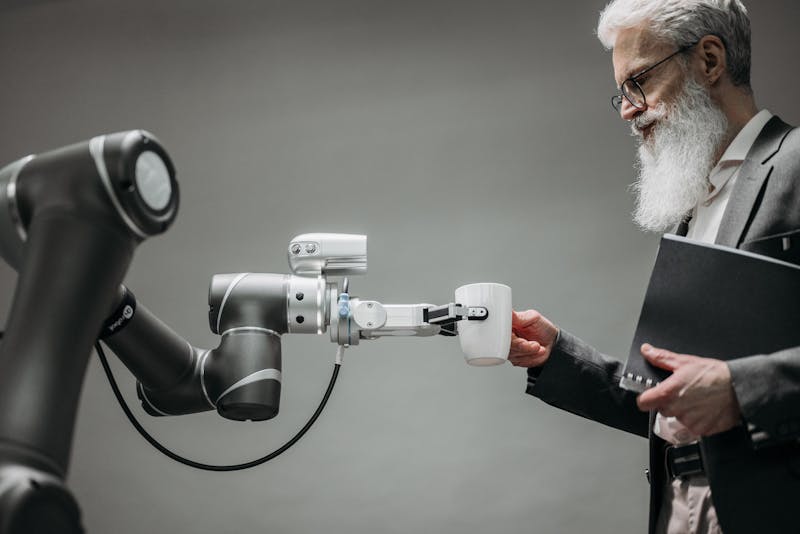
The Diagnostic Revolution: How AI is Reshaping Hospitals for a Healthier Tomorrow
By Tom Richards, Digital Health Expert, Dubai – specializing in AI in Healthcare, Longevity, and Smart Health Systems.
In the bustling heart of Dubai, a city known for its relentless pursuit of innovation, the conversation around healthcare often revolves around future-proofing and enhancing human potential. Central to this vision is the transformative power of Artificial Intelligence (AI) in medicine, particularly in the realm of diagnostics. For far too long, diagnostic processes in hospitals have been constrained by human limitations – the sheer volume of data, the subtle nuances of complex cases, and the ever-present risk of fatigue-induced error. Today, AI is not just augmenting our capabilities; it's catalyzing a revolution, promising earlier, more accurate, and personalized diagnoses that directly contribute to extended healthspans and improved quality of life.
The Bottleneck Breaker: Why AI is Essential for Modern Diagnostics
Consider the sheer volume of diagnostic data generated daily in a modern hospital: thousands of radiology scans (X-rays, CTs, MRIs), pathology slides, ECG readouts, and reams of electronic health records (EHRs). Human experts, no matter how skilled, face an uphill battle in processing this information efficiently and accurately. This often leads to delays, increased workload for clinicians, and, in some cases, missed diagnoses or delayed treatment initiation – all factors detrimental to patient outcomes and longevity.
This is where AI steps in. AI algorithms, particularly those leveraging machine learning and deep learning, are uniquely positioned to analyze vast datasets with unparalleled speed and precision. They don't get tired, they don't overlook minute details, and they can identify patterns that might be imperceptible to the human eye. This capability transforms the diagnostic landscape from a reactive, labor-intensive process into a proactive, data-driven one, laying the foundation for predictive and preventive healthcare – a cornerstone of longevity.
AI in Action: Precision & Speed Across Medical Disciplines
The impact of AI in diagnostics is already being felt across numerous medical specialties:
1. Radiology and Imaging: This is perhaps the most advanced application of AI. Deep learning models are trained on millions of medical images to detect abnormalities such as tumors, fractures, and neurological conditions. For instance, AI algorithms can identify subtle lung nodules in CT scans that might indicate early-stage cancer with greater consistency than human radiologists. A 2020 study published in Nature Medicine demonstrated that an AI system could outperform human experts in detecting breast cancer from mammograms, reducing false positives by 5.7% and false negatives by 9.4% in a retrospective study involving over 28,000 mammograms. In stroke diagnostics, AI can analyze CT scans within minutes to identify intracranial hemorrhage, significantly reducing the "door-to-needle" time for life-saving treatments.
2. Pathology: AI is transforming the microscopic world of pathology. Digital pathology, combined with AI, allows algorithms to analyze vast numbers of tissue slides, identifying cancerous cells, grading tumor aggressiveness, and even predicting treatment response. One notable application involves prostate cancer grading, where AI systems have shown concordance rates exceeding 90% with expert pathologists, and in some cases, improved consistency across different pathologists. This not only enhances diagnostic accuracy but also standardizes reporting.
3. Cardiology: AI-powered ECG analysis can detect subtle anomalies indicative of heart conditions like atrial fibrillation or myocardial infarction, often even before symptoms become apparent. Beyond simple detection, AI can predict the risk of future cardiac events by integrating ECG data with patient history and other biomarkers. A study presented at the American College of Cardiology's Annual Scientific Session showed AI could predict the risk of heart failure using only ECG data with an accuracy of nearly 80%.
4. Ophthalmology: For diseases like diabetic retinopathy, a leading cause of blindness, AI can analyze retinal images with remarkable accuracy, often comparable to or exceeding human specialists. The FDA has already approved AI systems for autonomous detection of diabetic retinopathy, demonstrating its clinical viability and potential to scale screening efforts, especially in underserved areas.
5. Early Disease Detection & Predictive Analytics: Beyond specific specialties, AI excels at integrating diverse data – genetics, lifestyle, environmental factors, and medical history – to predict disease risk long before onset. This allows for proactive interventions, which is critical for extending healthy longevity. For example, AI models are being developed to predict sepsis onset hours before clinical deterioration, offering a crucial window for intervention.
The Benefits: Beyond Just Diagnosis
The implementation of AI-powered diagnostics brings a cascade of benefits to hospitals and, more importantly, to patients:
- Enhanced Accuracy: Reduced diagnostic errors, leading to more appropriate and timely treatments.
- Increased Efficiency: Automation of routine tasks frees up highly skilled clinicians to focus on complex cases, patient interaction, and research.
- Faster Turnaround Times: Rapid analysis of diagnostic data means quicker diagnoses and accelerated treatment pathways.
- Early Intervention: AI's ability to detect subtle indicators translates to earlier disease detection, significantly improving prognosis and extending life quality.
- Personalized Medicine: By analyzing a patient's unique data profile, AI can help tailor diagnostic and treatment plans for optimal outcomes.
- Reduced Costs: While initial investment exists, long-term benefits include reduced hospital stays, fewer repeated tests, and better resource allocation.
Navigating the Path Forward: Actionable Takeaways for Hospitals
Implementing AI diagnostics is not without its challenges, including data privacy, regulatory hurdles, and the need for seamless integration into existing workflows. However, the benefits far outweigh the complexities. For hospitals looking to harness this power, here are some actionable takeaways:
- Prioritize Data Quality and Access: AI models are only as good as the data they're trained on. Invest in robust data governance, standardization, and secure platforms for data collection and sharing.
- Start with Pilot Projects: Begin with specific, well-defined use cases where AI can offer immediate value, such as radiology triage or diabetic retinopathy screening. Learn from these pilots before scaling up.
- Invest in Infrastructure & Integration: Ensure your IT infrastructure can support AI solutions and prioritize seamless integration with existing EHRs and PACS systems to avoid siloed technologies.
- Foster Human-AI Collaboration: AI is a tool to augment, not replace, human expertise. Train your clinical staff to understand, trust, and effectively utilize AI insights. Cultivate a culture where clinicians and AI developers collaborate closely.
- Address Ethical and Regulatory Concerns Proactively: Develop clear ethical guidelines for AI use, ensure transparency in decision-making, and stay abreast of evolving regulatory frameworks to build trust and ensure responsible deployment.
- Focus on Longevity Outcomes: Frame AI diagnostic initiatives not just as efficiency gains, but as direct contributions to extending the healthy lifespan of your patient population.
The Future is Now
The integration of AI into hospital diagnostics is no longer a futuristic concept; it is a present reality rapidly reshaping healthcare. From Dubai's commitment to becoming a global healthcare innovation hub, we see a clear vision: a future where disease is detected earlier, treated more effectively, and human life is prolonged and enhanced. AI is an indispensable ally in achieving this vision, empowering clinicians and offering patients a pathway to healthier, longer lives.
We stand at the precipice of a new era in medicine, one where intelligent machines work hand-in-hand with human expertise to unlock unprecedented diagnostic capabilities. This convergence promises not just better healthcare, but a fundamental shift towards proactive health management, fostering true longevity.
Join the conversation on the future of health and AI at LifeSocial.net and explore innovative health solutions designed for a longer, healthier life at ResoHealth.life.